
Share:
In Northern Minnesota, a calendar can tell you the month. It cannot tell you what the weather is going to do by supper.
That is why seasonal loft care is less about following one rigid date and more about watching conditions, watching the loft, and watching the birds. Winter cold, spring moisture, summer heat, and fall molt each put the emphasis in a different place. The basics remain the same: clean water, a dry and secure loft, sensible airflow, steady feeding, and enough quiet observation to notice when something changes.
The season should guide the routine. It should never replace common sense.
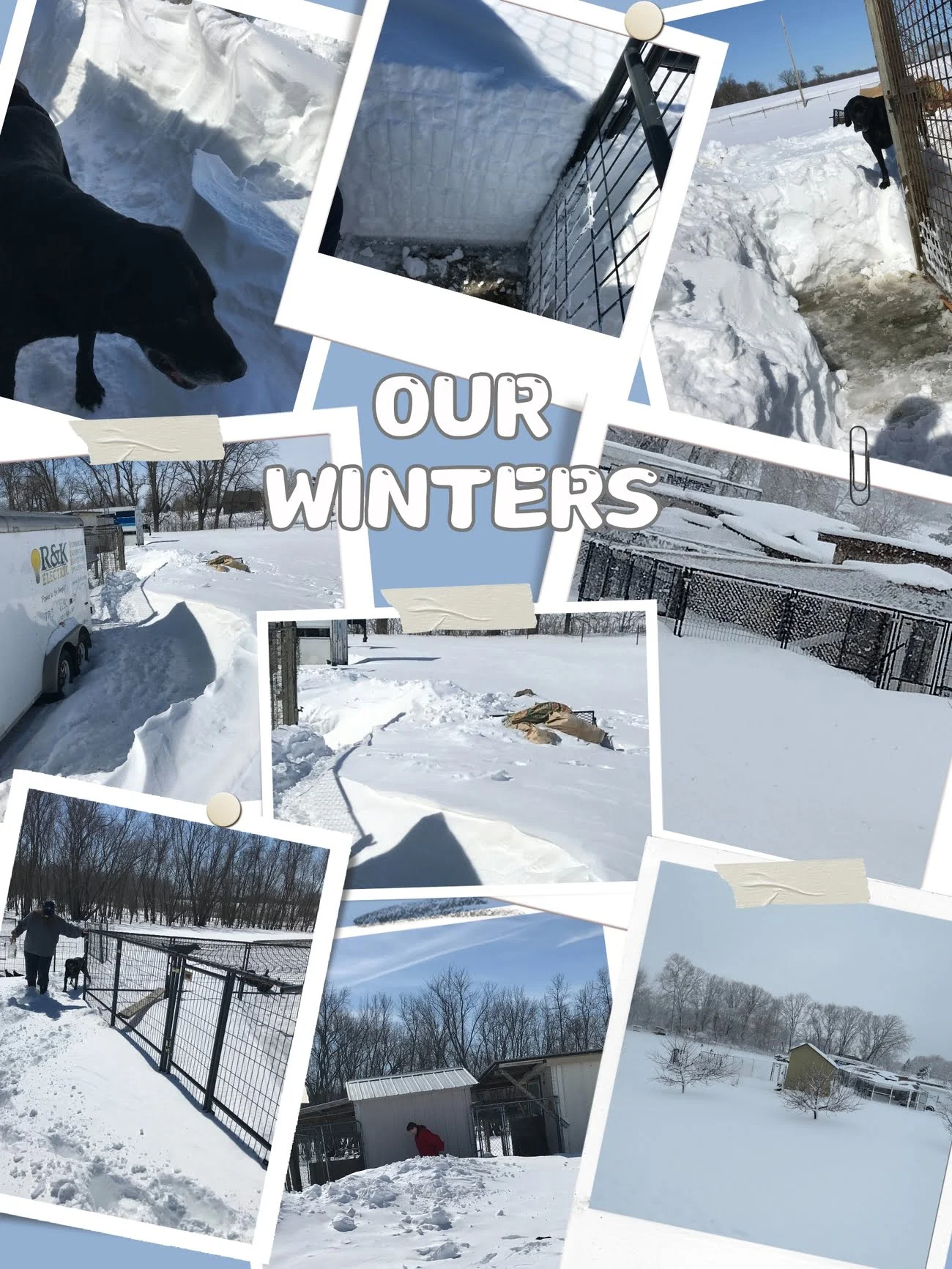
Winter has a way of exposing every weak point in a setup. A loose door, a wet corner, frozen water, or a draft in the wrong place becomes harder to ignore when the temperature drops.
Before severe cold settles in, walk through the loft with the same attention you would give it if a new bird were arriving. Check that doors and fasteners are secure. Look for places where snow or moisture can enter. Make sure you can provide water reliably and keep the daily routine steady even when conditions outside are unpleasant.
Ventilation and drafts are not the same thing. The goal is not to seal a loft so tightly that stale, damp air has nowhere to go. The goal is to maintain useful airflow without directing cold air across resting birds. Every loft is built differently, so watch what happens inside your own space rather than copying a setup that works somewhere warmer.
Bathing also becomes a weather decision. The older 4-Way bathing guide describes waiting for a suitable break in winter conditions rather than putting out a pan simply because it is bath day. The birds need enough time and reasonable conditions to dry. If the day is wrong, wait.
The first mild day can feel like the whole season has changed. In Minnesota, it may only mean winter is taking a short break.
Use early spring to inspect. Look for damage from snow, wind, and repeated freezing and thawing. Check floors, perches, screens, doors, and any area where moisture may collect. Clean what needs cleaning and make repairs before a busier routine makes small problems harder to reach.
Spring is also a time to watch the birds without rushing them. A warmer afternoon does not erase a long winter overnight. Keep notes on appetite, behavior, feather condition, and how the birds respond as the daily routine changes.
If new birds are part of the spring plan, prepare the space before they arrive. Our loft-readiness checklist is useful whether the incoming bird is a baby, yearling, or breeding prospect.
As conditions become more stable, the loft routine should become more predictable too.
This is a good time to review water access, feed storage, cleaning tools, and the quiet area used for observation or new arrivals. Predictability helps the person as much as the birds. When supplies and records have a place, daily work is easier to repeat and changes are easier to notice.
Keep a simple weather and loft notebook. It does not need to be fancy. Record unusual temperature swings, heavy rain, loft moisture, changes in appetite or behavior, and any maintenance work. Over time, your own notes will tell you more about your building and birds than a general calendar ever can.
Hot and humid weather changes the daily emphasis. Water needs more attention. Air movement matters. Wet or dirty areas need to be addressed before they become a bigger problem.
Check water often enough that it remains clean and available. Watch how direct sun moves across the loft and aviary during the day. Pay attention to air that feels trapped and heavy, especially after rain. A loft that felt comfortable in spring may behave differently during a humid stretch.
Bathing can be part of warm-weather care when conditions and the loft setup make it appropriate. Use clean pans and clean water, and remove dirty bath water rather than letting it sit. This seasonal guide does not recommend medication, pesticide, or supplement use in bath water. Any health concern or treatment question should go to a qualified avian veterinarian who can consider the individual bird and the product involved.
Summer is also when observation earns its keep. Do not judge the whole loft from the bird standing closest to you. Look across the group. Watch posture, breathing, activity, water use, and whether one bird is acting differently from the rest.
Fall brings a change in feather and a warning that winter preparation cannot wait forever.
Molt is visible, but it is not an excuse to guess at a problem or reach for a treatment without good reason. Keep the routine steady, maintain clean water and a clean environment, and seek qualified advice if a bird shows a concerning change.
This is also the practical season for a second building inspection. Check the repairs made in spring. Clean and organize the areas that will be difficult to manage during deep cold. Make sure winter supplies are ready before the first serious storm appears in the forecast.
Review photos from the Gallery and Videos with an eye toward the physical setup as well as the birds. Then compare those views with your own loft. The point is not to make every loft look alike. It is to notice details you may have stopped seeing because you walk past them every day.
Vic spent hours sitting with his pigeons, studying them before race days and learning what normal looked like. That kind of observation does not belong to one season.
When you know the ordinary rhythm of the loft, a change stands out sooner. Write down what you see. Keep full band numbers with your notes. Record arrivals, pairings, unusual weather, repairs, and questions you want to ask later.
No calendar can diagnose a bird. If a pigeon is not acting normally or you have a health concern, contact a qualified avian veterinarian rather than relying on a general article or an online shortcut.
Northern Minnesota will always keep a loft owner humble. One season slides into the next, and the weather rarely asks permission. Keep the basics steady, adjust to the conditions in front of you, and let careful observation—not the date alone—set the pace.
For questions about current birds or the way a specific bird has been managed before purchase, contact 4-Way Loft with the listing title and full band number.

I’ve been around pigeons my entire life. My dad learned from the old timers in Germany as a kid and won his first homing pigeon race at the age of 15. He immigrated to USA at age 20. He introduced me to all the workings of his loft when I was just 6 yrs old. I’ve been hooked ever since. Pigeons are a part of my identity.
We wrote many blog articles posted on our other pigeon website. Instead of us duplicating blog posts here, just click the button below to read them. They are informative, entertaining and should address any questions you might have. [If not just ask via message, email or phone.]
If you want golden nugget Quick-Tips right at your fingertips then be sure to click the button below to again, be taken to our other pigeon website. There you will find a wealth of knowledge obtain from a lifetime of raising pigeons in bit size pieces.