Share:
A mentor can offer more useful feedback when you give the conversation a clear purpose. “What do you think of my loft?” invites a broad response. “Can you help me understand why my entry records are hard to follow?” points toward a problem someone can actually examine with you.
Choose one or two questions before arranging a visit. Explain your experience level and what you hope to learn. Ask how much time the person can reasonably give, then fit the discussion to that agreement.
Describe an ordinary day and the points where you become uncertain or rushed. If a record, layout, or piece of equipment is involved, have it ready. A mentor should not need to reconstruct the situation from several unrelated messages.
Be clear about which observations are yours and which came from someone else. If you have tried a change, explain what changed, when, and what you actually noticed afterward. Avoid attributing a result to the change when you cannot establish the connection.
Useful follow-up questions help you understand the suggestion well enough to decide what to do:
These questions are especially helpful when two experienced people offer different approaches. The difference may come from different circumstances or goals. Understanding the reasoning is more useful than collecting instructions you cannot reconcile.
Agree on access and handling before the visit. Follow your existing visitor arrangements, and avoid turning an observational discussion into unplanned handling or changes. Medical concerns belong with an appropriate veterinarian rather than being resolved through casual loft feedback.
If your question concerns a potential addition from the 4-Way Loft shop, describe the job you expect that purchase to fill and the practical limits you are working within. That gives a mentor something more concrete to discuss than whether a bird simply looks appealing.
Summarize the advice in your own words and let the mentor correct any misunderstanding. Note what you will check, what you will consider changing, and what remains unresolved.
Afterward, send a brief thank-you and, if invited, a concise update about the agreed question. Respecting the person’s time and applying feedback thoughtfully makes an ongoing mentoring relationship easier for both of you.
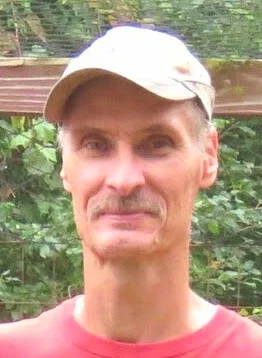
I’ve been around pigeons my entire life. My dad learned from the old timers in Germany as a kid and won his first homing pigeon race at the age of 15. He immigrated to USA at age 20. He introduced me to all the workings of his loft when I was just 6 yrs old. I’ve been hooked ever since. Pigeons are a part of my identity.
We wrote many blog articles posted on our other pigeon website. Instead of us duplicating blog posts here, just click the button below to read them. They are informative, entertaining and should address any questions you might have. [If not just ask via message, email or phone.]
If you want golden nugget Quick-Tips right at your fingertips then be sure to click the button below to again, be taken to our other pigeon website. There you will find a wealth of knowledge obtain from a lifetime of raising pigeons in bit size pieces.